The sample sits in your cabinet.
The data sits with the manufacturer.
The Material Concierge puts the manufacturer's data next to every sample in your room. So you compare on the same basis instead of from memory.
“I have the sample, but not the name.”
“Which supplier was that again?”
“Only the colleague who left knew that.”
Months often pass between handing over a sample, its approval and the final order. In that time several colours are discussed. By the time it is ordered, nobody quite knows what was handed over back then, or which colour it was.
A material and what we know about it belong together.

For fifteen years I represented brands in high-end interior architecture. Not at the drawing table, but on the other side of it: as an agent, in the practices every day.
One call I still think about. “Paul, we need the colour number now, the client wants to order.” Which colour is on the sample? “Nothing anymore. The label is off.” Why it was off I could guess: whoever shows a sample usually shows the supplier too, and they did not want that in front of the client. An understandable reason with an expensive consequence.
Then a photo, taken on a phone in the office, too dark, the colour exactly between two options. Two days later I drove over, with the manufacturer's fans in the car. It was colour 27, Medium Bronze. Only the manufacturer had revised the range in the meantime, and the sample had been in the cabinet for over a year: against the current fan the tone no longer quite matched. So the original went to the factory to be confirmed. It became weeks, and in those weeks nothing was settled.
To that same practice I sent the same data sheets again for every new project, for years. They were on the manufacturer's website, they were in my emails several times over, and still the question came back every time. That I kept sending them without once asking why is part of the story. At some point it was clear: in a practice nobody is responsible for the product data. Not because nobody wants to be, but because the role does not exist. The sample cabinet fares the same: after two years a whole box of samples came back out of the storeroom that we could have used well in between. Nobody had forgotten them. There was simply nowhere to look up what was already there.
That is why The Material Concierge exists. Not so that samples become digital, but so that the data stays where the sample lies. Without you having to make the poorer choice in design terms: order costs you no freedom.
I stood on the other side of this problem. It belongs solved on both.
Paul Kersten · Founder
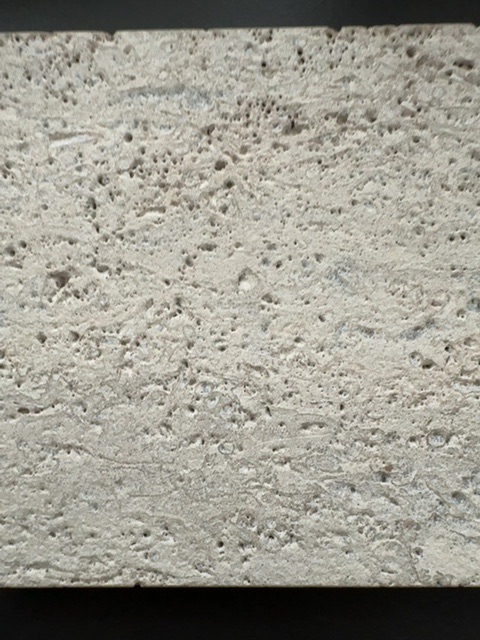
Recorded once, then kept current
You photograph the label and the surface with your phone, straight in our app, and the recognition assigns product, supplier and specification. If you would rather hand the collection over, we come to you and record it on site. After that we keep the data current together with the supplier: new collections, revised norm classes, discontinued articles. If something is missing, we ask the manufacturer. What you end up with is the complete product sheet.
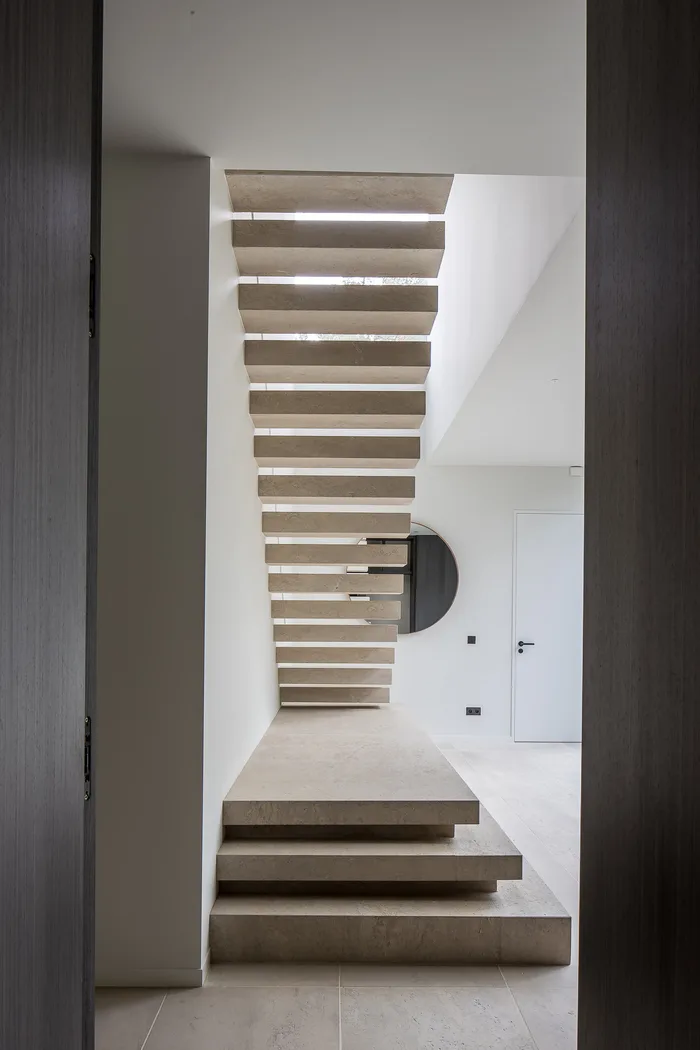
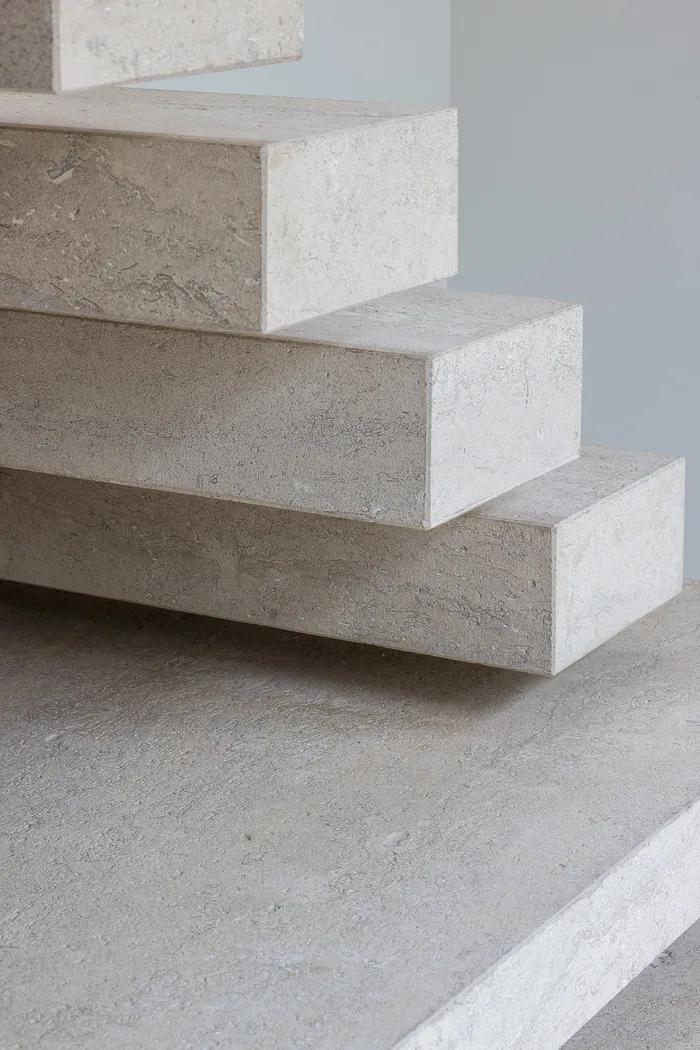

Material from suppliers who take part
What changes when the data hangs on the sample
From sample to commission, in five steps.
01
Photograph the label and the surface. The AI recognises supplier, product and specifications and files the sample in your library.
02
Assign samples to a project. The material list grows with it and stays visible to the whole team, not just one person.
03
Put candidates side by side: composition, fire ratings, dimensions and prices at a glance instead of across five PDF catalogues.
04
Your project list as PDF and Excel, with all specifications: the basis from which your tender document takes shape.
05
One request, up to three matching suppliers, one click. The replies come directly to your studio inbox.
Other practices see nothing of your library. Only what you actively share appears in the master catalogue, and you decide that per sample.
Full export of your library as Excel, any time and also on cancellation. No lock-in.
What the first practices asked us
How do I start?
You request access, and the TMC app guides your team through the recording, sample by sample, at its own pace. If you would rather hand the collection over, you plan the recording service directly with the Concierge: it settles scope and date.
How do our samples get into the system?
Sample by sample, by scan: photograph the label and the surface, the AI does the rest. Your team does that itself with the app, and on request we take on the first complete recording on site.
Who owns our data?
You do. Your library can be exported in full at any time, there is no lock-in. Your material data sits on EU servers, compliant with the GDPR and the Swiss DSG; additional services are covered by EU standard contractual clauses.
Are prices and product data current?
Not all suppliers release prices; where none exist, the system shows none. Prices and specifications that do exist come from the supplier and are maintained together with them, without warranty. Where data is missing or ages, The Material Concierge asks the supplier.

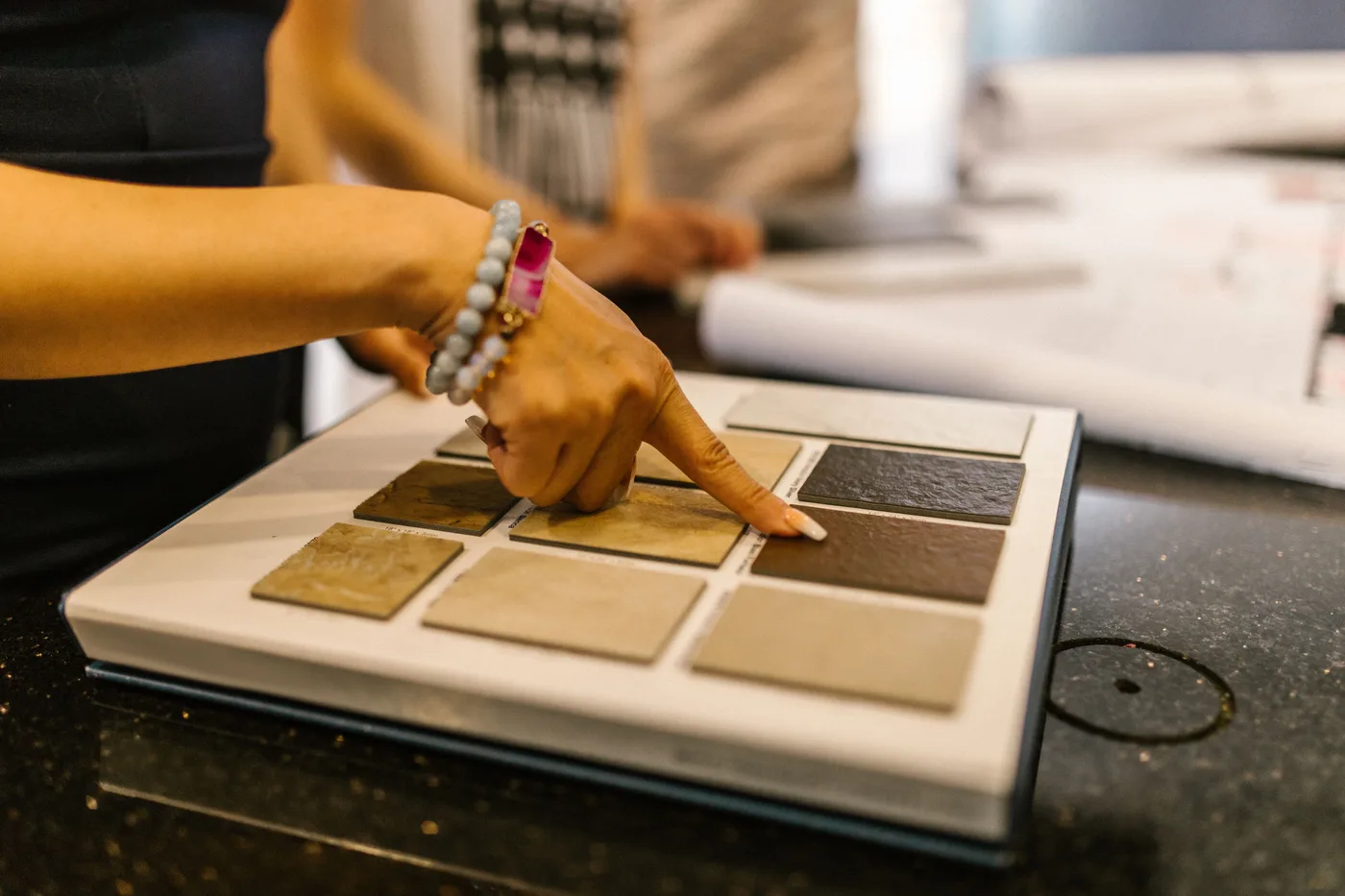
Let us talk about your library
You reach us directly. Write to us and we will get back to you.